Name the label
Quote the exact phrase. Familiar words are often doing persuasive work before they do descriptive work.
Energy labels sound like conclusions. This desk turns them back into questions you can check: what is counted, over what time, and who carries the cost.
Open the desk ↓“Bridge,” “low-carbon,” and “carbon neutral” each ask for a definition. Without one, the listener supplies the most comforting version.
Your reading will appear here.
We’ll separate the label from the measurable question underneath.Check the boundary before you carry the conclusion. Four checked questions make a stronger claim; uncertainty is still a useful result.
Quote the exact phrase. Familiar words are often doing persuasive work before they do descriptive work.
Ask what is inside the accounting: leaks, infrastructure, combustion, and the time window.
Look for alternatives, lock-in, and who inherits the consequences when the “bridge” ends.
Try a claim above, tick the four boundary questions, and move the time horizon. The reading and score update in place.
Status: waiting for your first claim.
Editorial scope is intentionally narrow: this desk tests language, not a specific gas project or lifecycle dataset. Add sources before making a numeric comparison.
Remaining defect: narration is a protected audio hook until production credentials are connected.
First pass: check “how” a claim enters the page before you compare numbers.
After announcing a possible route and proponent structure, Alberta framed the project as export expansion while federal and B.C. officials weighed conditions.
Open this paper clip ↗Coverage shows tradeoffs between tanker policy, indigenous participation, and federal export strategy as proposal terms evolve.
Open this paper clip ↗Saskatchewan echoed support language while discussing economics and practical limits like timing and labor.
Open this paper clip ↗The plan is framed as reducing U.S. dependence and opening export alternatives through a new corridor.
Open this paper clip ↗Policy framing moved toward feasibility and support instruments to de-risk cross-Canada infrastructure.
Open this source ↗Coverage highlights the gap between headline messaging and unresolved route and timeline commitments.
Open this paper clip ↗Resource messaging positions offshore development as core economic policy rather than a transition-first path.
Open this source ↗The Trudeau administration moved from regulation deadlock to federal ownership of a major pipeline expansion project.
Open this source ↗Broadcast coverage places emphasis on executive statements and government timing.
Open broadcast source ↗TV coverage frames alignment versus skepticism across the three provinces.
Open broadcast source ↗TV-style reporting tends to foreground the immediate political conflict before project specifics.
Open broadcast source ↗Online coverage foregrounds legal pathway language over on-air conflict pacing.
Open internet source ↗Official web statements show how “coordination” language is translated into expected projects.
Open internet source ↗Internet distribution of this industrial story centers construction progress and job language.
Open internet source ↗A short chain of documented influence moments, from clean label launches to policy communication strategy teams.
Public reporting says API hired Burson-Marsteller (now Burson Cohn & Wolfe) to build a third-party vehicle to oppose stricter U.S. air rules.
Open source notes ↗Ogilvy & Mather is documented as running BP’s global campaign for the Helios/Beyond Petroleum shift, including television, radio, and PR rollout.
Open campaign source ↗US Senate hearing material identifies the Hawthorn Group and subcontracted Bonner & Associates in ACCCE’s aggressive grassroots communication campaign and documents forged letters during the Waxman-Markey debate.
Open hearing record ↗After the Bonner controversy, reporting shows ACCCE hiring a PR team led by HDMK political operators to manage national media efforts.
Open ad/PR report ↗Peabody Energy publicly launched a global awareness campaign promoting “clean coal” as part of its policy and energy strategy communication.
Open company release ↗Marketing coverage describes a multi-year industry campaign to improve image of oil sands through broad advertising and mentions the Venture Communications firm as producing Cenovus creative execution.
Open marketing review ↗Canada’s Trudeau government announced the C$4.5B acquisition of the Trans Mountain Pipeline assets from Kinder Morgan, then later created a Crown vehicle to hold them.
Open federal source ↗Greenpeace reported a leaked 2018 strategy document titled “Canadians for Fairness in Clean Fuel Policy,” prepared by PR firm Navigator for coordinated opposition messaging.
Open Greenpeace source ↗Advertising and media monitoring reports link multiple social and display ads about natural gas policy to Canadian Gas Association-linked spending and campaign infrastructure.
Open monitoring report ↗Coal, gas, and oil keep being sold through a changing vocabulary of legitimacy. The fuel persists; the sales word mutates.
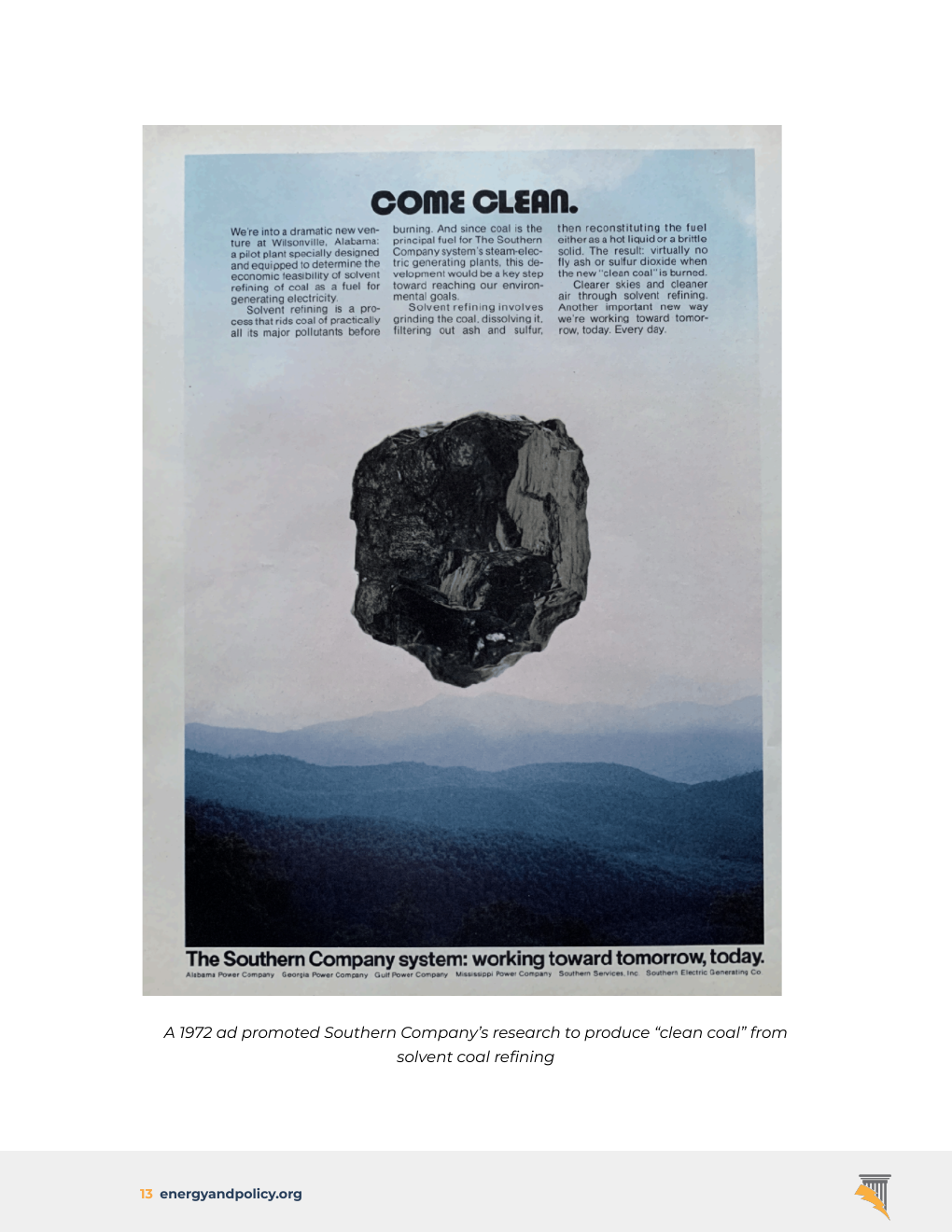
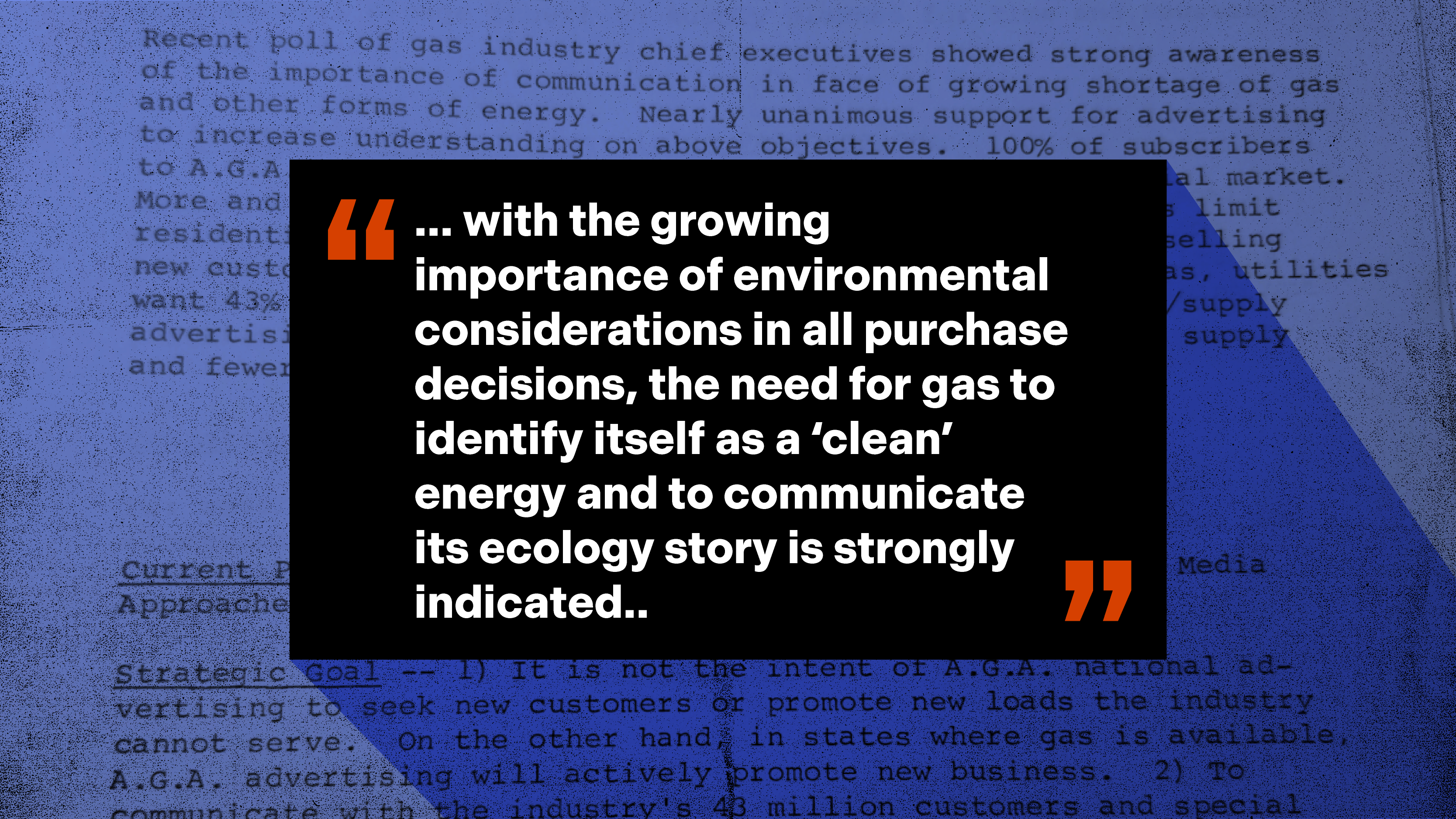
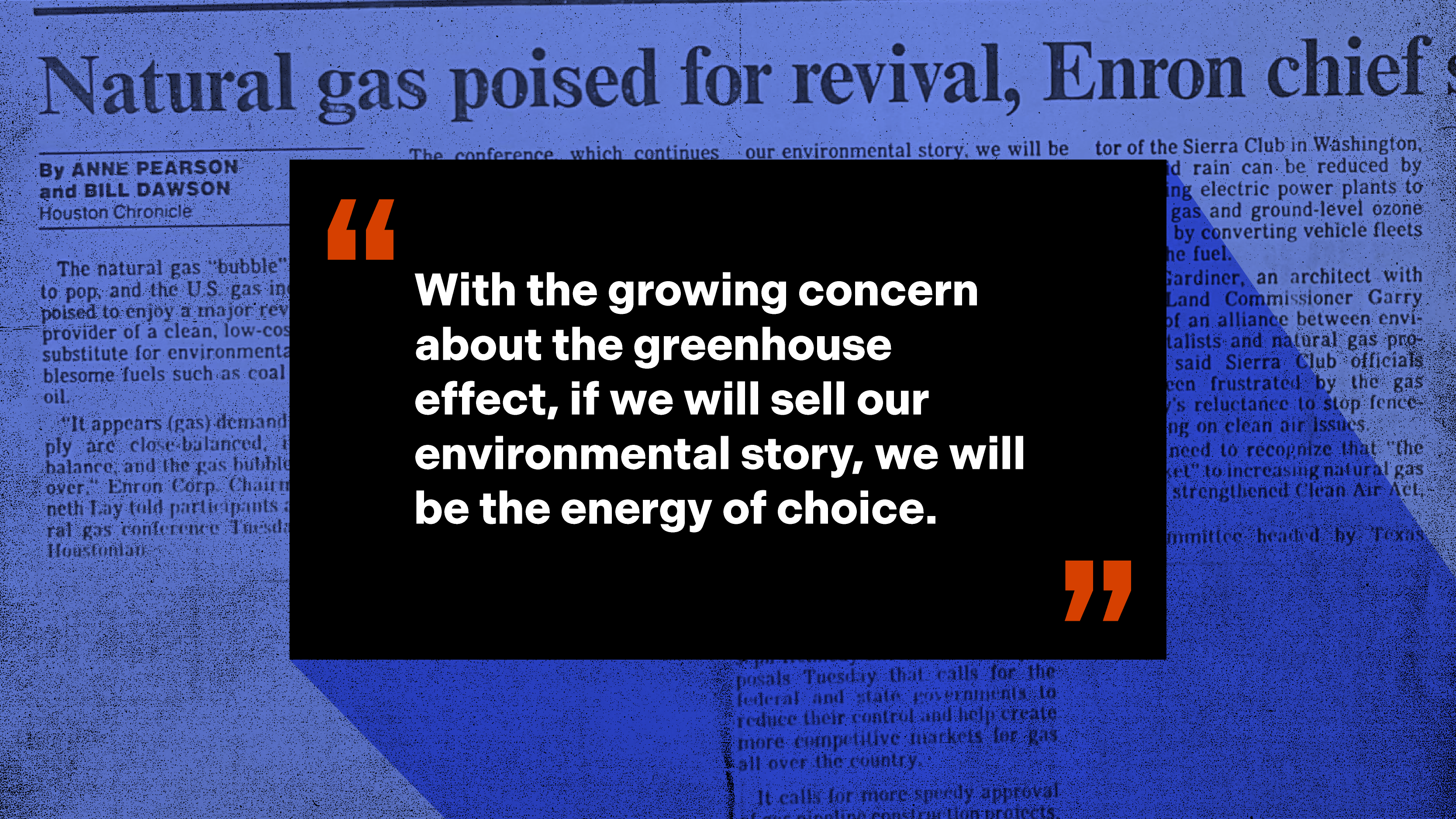
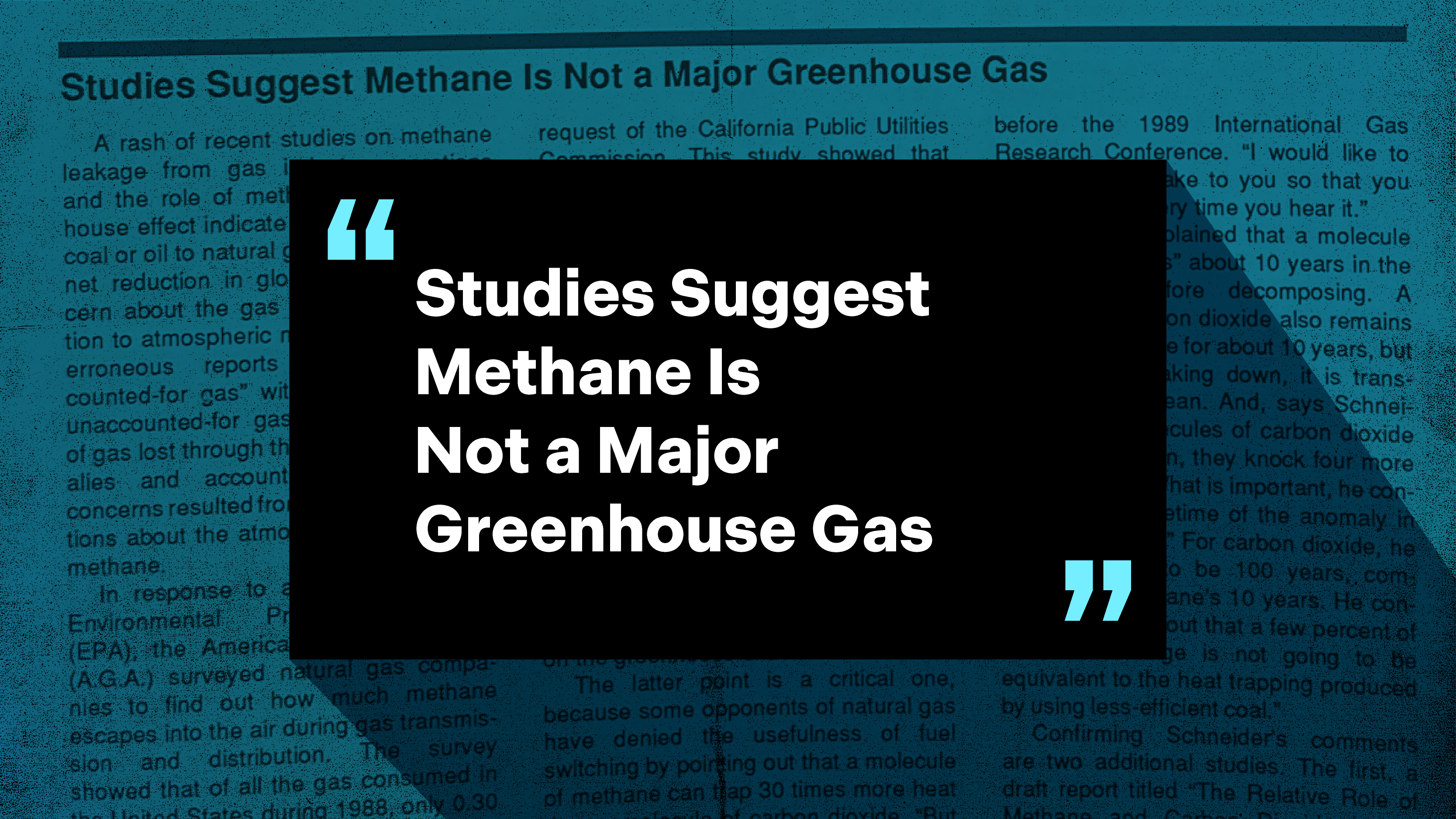
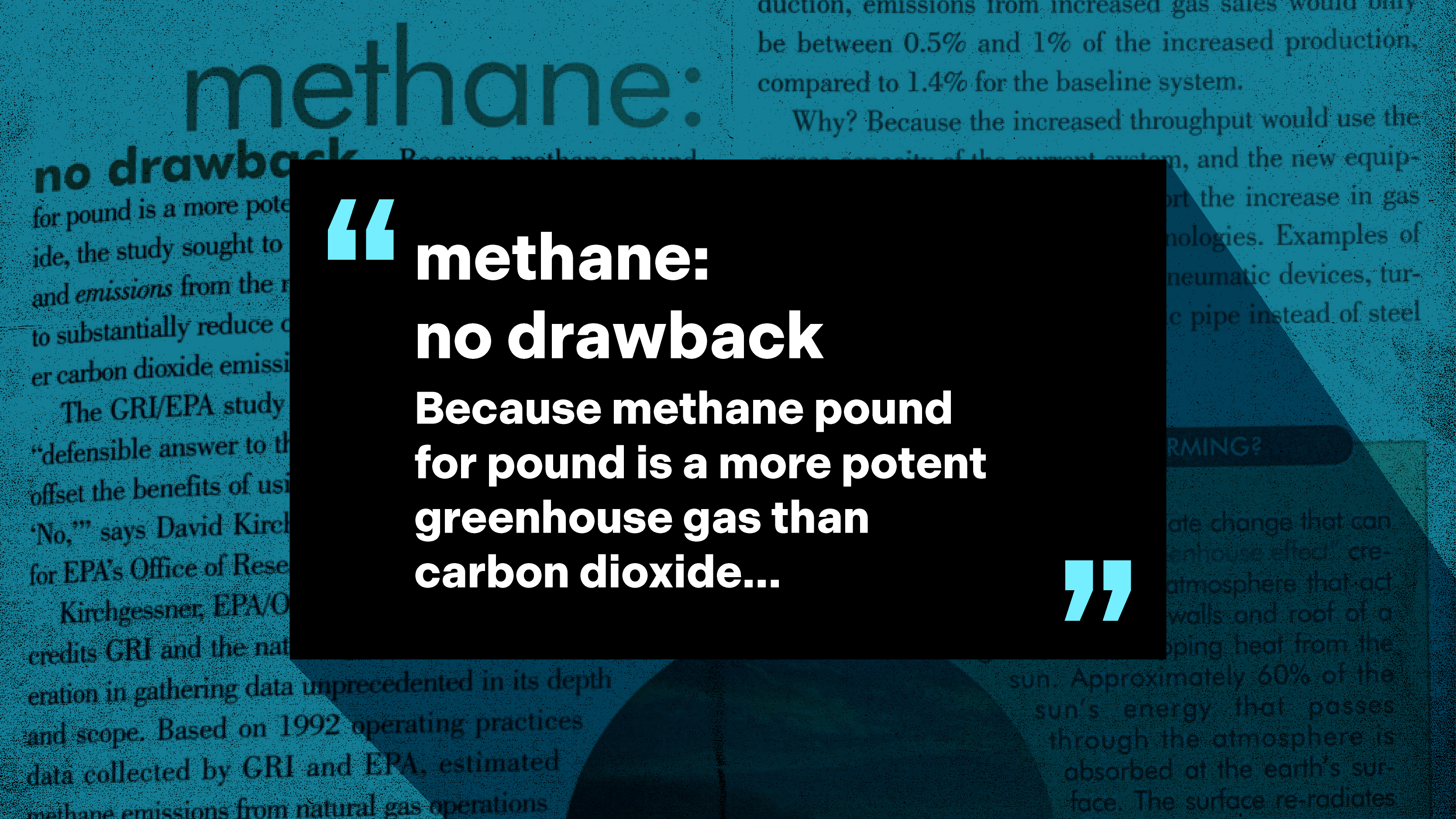
Show work: Images are detached from the original HTML and served as local assets. Remaining defect: the archive’s text facsimiles are editorial reconstructions, not original scans.